Dog-Friendly National Parks: Best Trails in 2026
Discover the most dog-friendly national parks in the USA with trail guides, rules, camping tips, and everything you need for an unforgettable adventure with your pup.

This post may contain affiliate links. Disclosure
There is something deeply primal about watching your dog bound across a mountain meadow, ears flapping in the wind, nose working overtime to catalog every scent the wilderness has to offer. National parks represent the crown jewels of American outdoor recreation, and the good news for pet parents is that many of them welcome your four-legged hiking companion with open arms.
But navigating the patchwork of regulations across the National Park System can be daunting. Some parks roll out the red carpet for dogs on virtually every trail, while others restrict pets to paved roads and campground loops. Understanding the rules before you go is essential for planning a trip that is both enjoyable and respectful of the natural environment. In this comprehensive guide, we will walk you through the most dog-friendly national parks in the United States, share insider tips for hiking with your pup, and help you plan an unforgettable adventure for the whole family, furry members included.
Understanding National Park Dog Policies
Before loading up the car and heading to the nearest park entrance, it is important to understand the general framework of National Park Service (NPS) pet policies. The NPS has a standard set of guidelines that apply across most parks.
General rules include:
- Dogs must be on a leash no longer than six feet at all times
- Dogs are typically allowed in campgrounds, on paved roads, and in parking areas
- Dogs are generally not allowed on unpaved trails, in buildings, or on ranger-led programs
- Pet owners must clean up after their animals
- Dogs should never be left unattended or tied to objects
However, and this is the critical point, individual parks can modify these rules significantly. Some parks are far more permissive, allowing dogs on nearly all trails, while others enforce the baseline restrictions strictly. Always check the specific park’s website before your visit.
 Photo credit on Pexels
The Top Dog-Friendly National Parks
1. Acadia National Park, Maine
Acadia consistently ranks as the most dog-friendly national park in America, and for good reason. Dogs are allowed on over 100 miles of hiking trails, the famous carriage roads, and even Sand Beach during the off-season (October 15 through May 15). This is a rarity among national parks, where beaches are often strictly off-limits to pets.
Best Dog-Friendly Trails:
- Carriage Roads (45 miles of crushed gravel paths, easy to moderate): Perfect for dogs of all fitness levels. These wide, well-maintained paths wind through forests and past lakes with gentle grades.
- Jordan Pond Path (3.3 miles, easy): A mostly flat loop around one of the park’s most scenic ponds. Parts of the trail include wooden boardwalks.
- Great Head Trail (1.7 miles, moderate): Offers spectacular ocean views from granite cliffs.
Pet Parent Tip: Acadia gets extremely busy during summer months. Visit in September or early October for stunning fall foliage, fewer crowds, and cooler temperatures that are more comfortable for your dog.
Camping: Both Blackwoods and Seawall campgrounds allow dogs. Sites range from $22 to $30 per night depending on the season.
2. Shenandoah National Park, Virginia
Shenandoah is a paradise for dog owners who love to hike. Dogs are permitted on approximately 480 of the park’s 500 miles of trails, making it one of the most permissive parks in the system. The only notable exceptions are a handful of trails with sensitive habitats.
Best Dog-Friendly Trails:
- Dark Hollow Falls (1.4 miles, moderate): A popular trail leading to a beautiful 70-foot waterfall. The trail is steep on the return, so make sure your dog is in good shape.
- Stony Man Trail (1.6 miles, easy): One of the most rewarding short hikes in the park with panoramic views from the second-highest peak.
- Old Rag Mountain (9.2 miles, strenuous): While dogs are allowed, this is a serious hike with rock scrambles. Only attempt this with athletic, sure-footed dogs.
Pet Parent Tip: The park spans 105 miles along the crest of the Blue Ridge Mountains, accessible via the stunning Skyline Drive. Dogs are welcome to ride along for the drive, making it perfect for a road trip.
3. New River Gorge National Park, West Virginia
America’s newest national park, designated in 2020, is also one of the most welcoming for dogs. Pets are allowed on one hundred percent of the park’s trails, a distinction shared by very few national parks.
Best Dog-Friendly Trails:
- Long Point Trail (3.2 miles, moderate): Leads to an iconic view of the New River Gorge Bridge.
- Endless Wall Trail (2.4 miles, moderate): Follows the rim of the gorge with stunning views of the New River.
- Grandview Rim Trail (2.6 miles, easy to moderate): A family-friendly trail with multiple overlooks.
Camping: Several campgrounds in and around the park welcome dogs. The park itself has free primitive camping available.
4. Cuyahoga Valley National Park, Ohio
Located between Cleveland and Akron, Cuyahoga Valley offers more than 100 miles of dog-friendly trails through forests, wetlands, and along the scenic Cuyahoga River. This is one of the most accessible national parks for dog owners, both in terms of pet policies and geographic convenience for millions of Midwest residents.
Best Dog-Friendly Trails:
- Towpath Trail (over 20 miles, easy): A flat, well-maintained trail following the historic Ohio & Erie Canal. Perfect for dogs of all ages and abilities.
- Brandywine Gorge Trail (1.5 miles, moderate): Leads to the park’s tallest waterfall at 65 feet.
- Blue Hen Falls Trail (1 mile, easy): A short hike to a picturesque waterfall, great for first-time hiking dogs.
 Photo credit on Pexels
5. Indiana Dunes National Park, Indiana
Stretching along 15 miles of Lake Michigan’s southern shoreline, Indiana Dunes features towering sand dunes, wetlands, forests, and prairies with over 50 miles of dog-friendly trails. Dogs are also welcome on the beaches, with the exception of the swimming beach areas during peak season.
Best Dog-Friendly Trails:
- West Beach Succession Trail (0.9 miles, easy): A loop through various ecological habitats including dunes, marshes, and forests.
- Cowles Bog Trail (4.7 miles, moderate): Winds through bogs and marshes to a beautiful stretch of Lake Michigan shoreline.
- Dune Ridge Trail (0.7 miles, easy): A quick trail through dune grassland with views of the surrounding landscape.
6. Sleeping Bear Dunes National Lakeshore, Michigan
While technically a national lakeshore rather than a national park, this stunning destination along Lake Michigan is exceptionally dog-friendly. Dogs are allowed on most trails and on the park’s beautiful beaches.
Best Dog-Friendly Trails:
- Empire Bluff Trail (1.5 miles, easy to moderate): Offers one of the most photographed views in Michigan, with panoramic vistas of the Sleeping Bear Dunes, South Manitou Island, and Lake Michigan.
- Platte Plains Trail (15 miles, easy to moderate): A network of trails through forests and open fields, with access to Lake Michigan and Platte Lake.
7. Grand Canyon National Park, Arizona
The Grand Canyon may not be the most dog-friendly park, but it does offer meaningful pet access. Dogs are allowed on the South Rim Trail, a paved path that stretches along the canyon rim and offers some of the most spectacular views on Earth.
Key restrictions: Dogs are not allowed below the rim on any trail, including the Bright Angel and South Kaibab trails. This is for safety reasons, as the extreme heat and lack of water on inner canyon trails can be dangerous for dogs.
Pet Parent Tip: The South Rim Trail between the Village area and Hermits Rest covers about 13 miles and offers world-class views. For dog owners, this is more than enough to fill an unforgettable day. The park also offers a kennel service at the South Rim where dogs can be boarded while you hike below the rim.
Essential Gear for National Park Adventures with Dogs
Heading into the backcountry with your pup requires some preparation. Here is a checklist of essential gear:
Hydration and Nutrition:
- Collapsible water bowl (at least two)
- Water bottles or hydration reservoir (carry enough for both of you)
- High-energy treats and a meal’s worth of food for longer hikes
- Portable water filter for backcountry trips
Safety Equipment:
- Six-foot leash (required in all national parks)
- Well-fitting harness with identification tags
- Reflective collar or light attachment for dawn and dusk hiking
- Dog-specific first aid kit
- Bear bell (in bear country)
Comfort Items:
- Dog booties for rocky or hot terrain
- Cooling vest for summer hikes
- Packable dog jacket for mountain weather
- Portable dog bed or pad for camping
Cleanup Supplies:
- Biodegradable poop bags (bring extra)
- Small trowel for burying waste in backcountry areas where appropriate
- Wet wipes for muddy paws
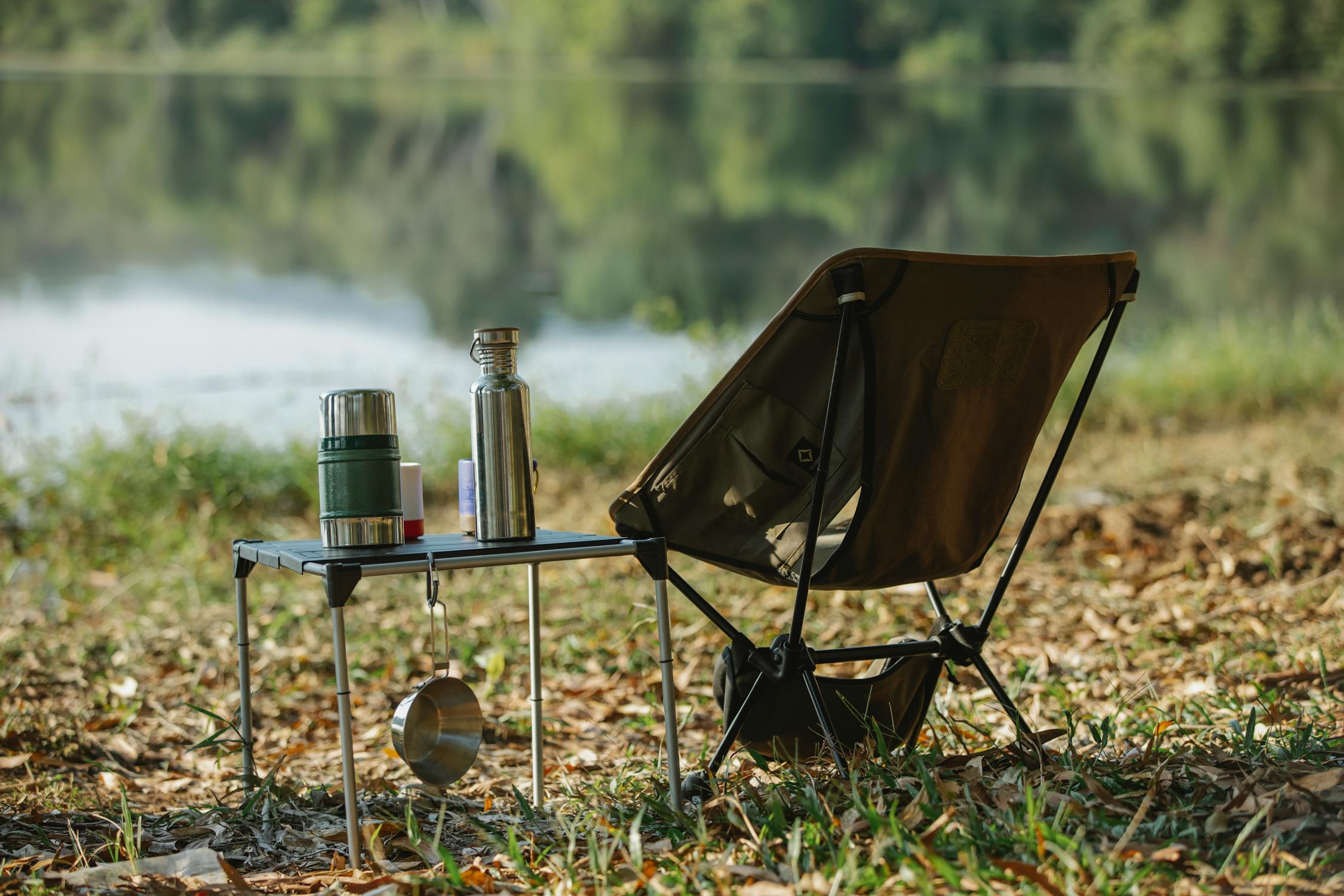 Photo credit on Pexels
Planning Your Dog-Friendly National Park Trip
Choosing the Right Season
Timing matters enormously when planning a national park trip with your dog. Consider these factors:
- Spring (April to May): Wildflowers are blooming, temperatures are mild, and crowds are lighter. Watch for muddy trails and higher water levels at stream crossings.
- Summer (June to August): Longest daylight hours but also the hottest temperatures and biggest crowds. High-altitude parks like those in Colorado and the Pacific Northwest are ideal. Avoid desert parks with dogs during summer.
- Fall (September to October): Arguably the best season for dog-friendly national park visits. Cooler temperatures, stunning foliage, and thinner crowds make this a sweet spot.
- Winter (November to March): Many parks remain open but access may be limited. Snow can add beauty but also hazards. Consider your dog’s cold tolerance.
Physical Conditioning
Just like you would not run a marathon without training, your dog should not tackle a strenuous trail without preparation. In the weeks leading up to your trip:
- Gradually increase the length and intensity of your daily walks
- Practice hiking on varied terrain (hills, rocks, sand)
- Ensure your dog responds reliably to leash commands
- Visit your vet for a pre-trip health check and ensure vaccinations are current
Trail Etiquette with Dogs
Being a responsible dog owner on the trail ensures parks remain welcoming to pets:
- Yield to other hikers. Not everyone is comfortable around dogs. Step aside and keep your dog close when others pass.
- Do not let your dog approach wildlife. This is both dangerous for your dog and harmful to park ecosystems. The NPS wildlife safety guidelines apply to pet owners too.
- Pack out all waste. No exceptions. Carry used poop bags with you until you find a proper trash receptacle.
- Keep barking under control. Excessive barking disturbs wildlife and other visitors.
- Stay on designated trails. Going off-trail damages fragile ecosystems and can lead to fines.
Campgrounds That Welcome Dogs
Camping is one of the best ways to experience national parks with your dog. Here are campground highlights in our featured parks:
| Park | Campground | Dog Policy | Sites | Price Range |
|---|---|---|---|---|
| Acadia | Blackwoods | Dogs allowed | 281 | $22-$30/night |
| Acadia | Seawall | Dogs allowed | 198 | $22-$30/night |
| Shenandoah | Big Meadows | Dogs allowed | 217 | $20-$30/night |
| New River Gorge | Army Camp | Dogs allowed | Free | Free |
| Cuyahoga Valley | Stanford | Dogs allowed | 46 | $27/night |
| Indiana Dunes | Dunewood | Dogs allowed | 66 | $25/night |
Pet Parent Tip: Always reserve campsites well in advance, especially for popular parks during peak season. Many national park campgrounds on Recreation.gov open reservations six months in advance and fill up quickly.
Alternatives When Parks Restrict Dogs
If your heart is set on a park that has strict dog policies, you have several options:
- Kennel services: Grand Canyon and a few other parks offer on-site kennel services. Rates typically range from $25 to $50 per day.
- Pet sitters: Apps like Rover connect you with local pet sitters near national parks. This can be a great option for a day of dog-free exploration.
- National Forests: National forests adjacent to many national parks often have far fewer pet restrictions. For example, while Yellowstone has strict dog rules, the surrounding Gallatin National Forest allows dogs on most trails.
- BLM Land: Bureau of Land Management areas near popular parks often allow dogs off-leash, providing a complementary experience.
Health and Safety Considerations
National parks present unique health challenges for dogs that you should be prepared for:
Altitude Sickness: Parks at high elevations can cause altitude sickness in dogs just as in humans. Symptoms include lethargy, vomiting, and loss of appetite. Acclimate your dog gradually and watch for signs of distress.
Wildlife Encounters: Bears, mountain lions, porcupines, skunks, and rattlesnakes all pose risks. Keep your dog leashed and on-trail to minimize encounters. In bear country, carry bear spray and know how to use it.
Water Safety: Not all natural water sources are safe. Blue-green algae in lakes and ponds can be toxic to dogs. Fast-moving streams can sweep dogs downstream. Bring your own water supply whenever possible.
Ticks and Parasites: Many parks are home to ticks that carry Lyme disease and other illnesses. Check your dog thoroughly after every hike, paying special attention to ears, armpits, and between toes. Ensure your dog is on preventative tick and flea medication.
Heat and Dehydration: Even at moderate temperatures, strenuous hiking can cause overheating. Watch for heavy panting, drooling, glazed eyes, and stumbling. Take frequent water and shade breaks.
 Photo credit on Pexels
Making Memories That Last
There is a reason dog owners who discover national park hiking become lifelong devotees of the activity. Watching your dog experience the natural world, nose twitching at unfamiliar scents, ears perked at distant birdcalls, tail wagging at the sight of a mountain stream, is one of the great joys of pet parenthood. The national parks belong to all of us, including our dogs. By following the rules, respecting wildlife, and being courteous to fellow visitors, we ensure that these incredible places remain open and welcoming to pet families for generations to come.
So grab that leash, load up the car, and point it toward the nearest park entrance. Your dog is ready for the adventure of a lifetime, and America’s national parks are waiting.
Quick Reference: Dog-Friendly National Park Rankings
Here is a summary ranking of the parks covered in this guide, based on trail access, amenities, and overall dog-friendliness:
- Acadia National Park - 100+ miles of trails, beach access, excellent campgrounds
- Shenandoah National Park - 480+ miles of dog-friendly hiking trails, scenic drive, abundant camping
- New River Gorge National Park - 100% trail access, free camping, stunning gorge views
- Cuyahoga Valley National Park - 100+ miles of trails, waterfalls, Midwest accessible
- Indiana Dunes National Park - Beach and dune access, 50+ miles of trails
- Sleeping Bear Dunes National Lakeshore - Beach access, lake views, scenic trails
- Grand Canyon National Park - Limited but spectacular rim trail, kennel service available
Each of these parks offers a unique landscape and experience. Whether you prefer coastal cliffs, mountain ridges, river gorges, or lakeside dunes, there is a dog-friendly national park waiting for you and your best friend. Turn your park visit into a road trip with your dog for the ultimate adventure.
Related Reading
Get the best Pawventures tips in your inbox
Weekly guides, deals, and insider tips. No spam, unsubscribe anytime.