Overlanding With Your Dog: Adventure Travel Guide
The complete guide to overlanding with your dog. Vehicle setup, off-grid camping, safety gear, trail etiquette, and the best overlanding routes for dogs.
This post may contain affiliate links. Disclosure
Updated for 2026 with current vehicle recommendations, gear reviews, route suggestions, and safety tips for overlanding with your dog.
Overlanding With Your Dog: Adventure Travel Guide
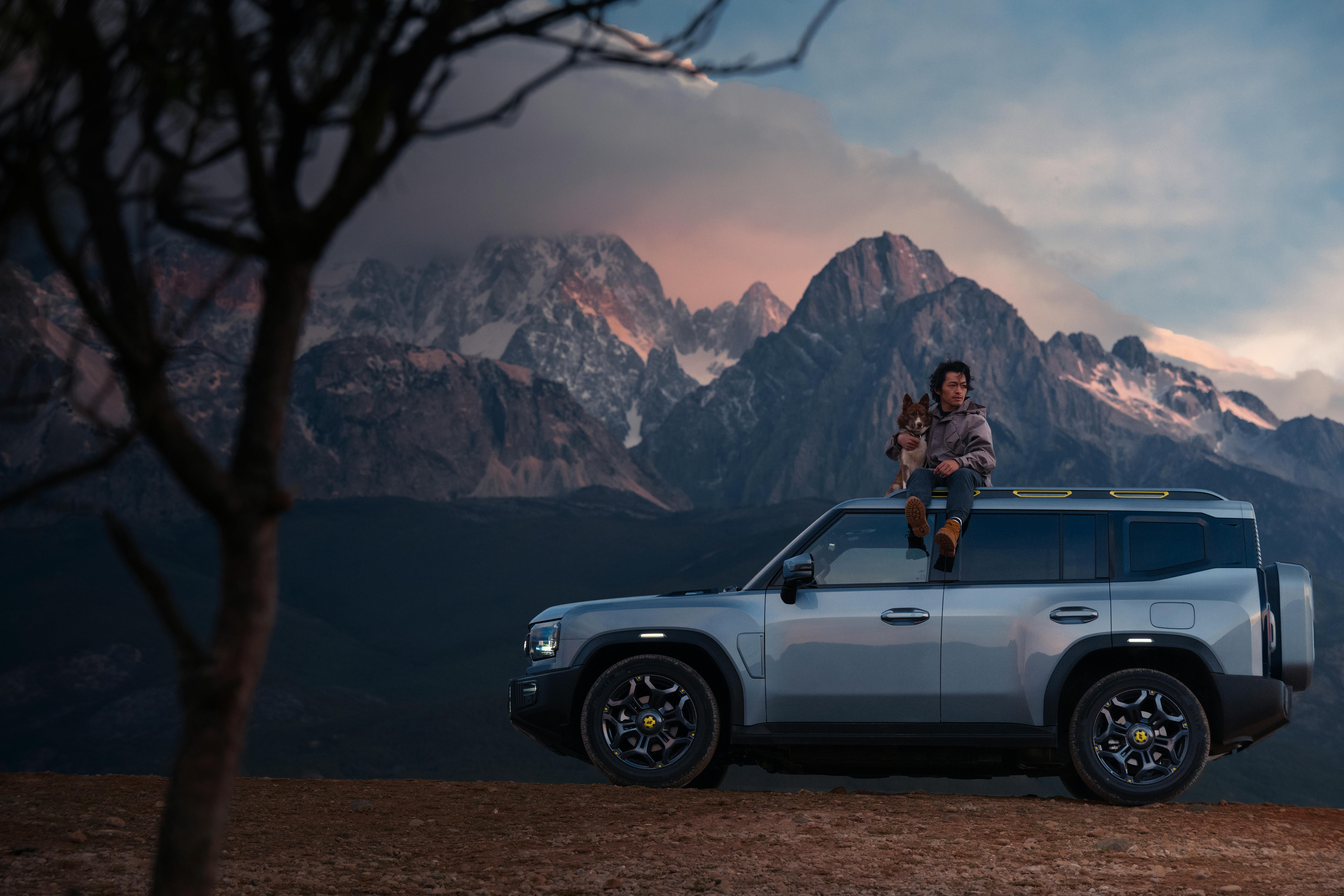
Overlanding, the practice of self-reliant, vehicle-based travel through remote terrain, is one of the best ways to explore the outdoors with a dog. Unlike traditional camping where you drive to a campground and set up, overlanding takes you deep into backcountry where the trails are rough, the campsites are wild, and the landscapes are the kind that most people only see in photographs.
My Rhodesian Ridgeback, Scout, has been my overlanding partner for three years. Together, we have traversed the Mojave Desert, explored the alpine passes of Colorado, followed the Baja Peninsula, and navigated the backroads of Utah’s canyon country. Overlanding with a dog adds a dimension of companionship and joy that transforms what could be a solitary pursuit into a shared adventure.
This guide covers everything you need to know to get started.
What Is Overlanding?
Overlanding is vehicle-dependent expedition travel where the journey is the primary goal. Unlike off-roading (which focuses on the challenge of the terrain itself), overlanding is about reaching remote destinations and being self-sufficient along the way. It typically involves:
- A 4WD or AWD vehicle equipped for off-road conditions
- Camping gear (rooftop tent, ground tent, or sleeping in the vehicle)
- Self-contained cooking, water, and power systems
- Navigation through remote roads and trails
- Multi-day or multi-week trips to backcountry areas
Vehicle Setup for Dogs
Vehicle Considerations
Any 4WD vehicle can be used for overlanding, but some are better suited for dogs than others.
Best vehicles for overlanding with a dog:
| Vehicle | Pros | Cons |
|---|---|---|
| Toyota 4Runner | Spacious cargo area, reliable, huge aftermarket | Not the most fuel-efficient |
| Toyota Tacoma (with cap/canopy) | Extremely reliable, good off-road, bed provides dog space | Bed setup requires a canopy for dog safety |
| Jeep Wrangler (4-door) | Excellent off-road capability, open-air experience | Limited cargo space, road noise |
| Ford Bronco | Good off-road, spacious interior, modern amenities | Newer model, less aftermarket support |
| Subaru Outback/Forester | AWD, good ground clearance, fuel efficient | Less capable on serious off-road trails |
| Sprinter/Transit van | Maximum living space | Large, limited on narrow trails |
Dog-Specific Vehicle Modifications
Cargo area setup: The rear cargo area is typically the best space for your dog while driving. Set it up with:
- A rubber or waterproof mat (WeatherTech cargo liner or similar)
- A crash-tested crate or secured harness attachment point
- A water bowl with a non-slip base (Yeti dog bowl or similar)
- Storage for dog food and gear
Barrier or divider: A cargo barrier between the back seat and cargo area keeps your dog contained and prevents them from jumping into the front during driving. ARB, Travall, and other companies make vehicle-specific barriers.
Rooftop tent considerations: If you use a rooftop tent (RTT), your dog will need to climb a ladder to access it. Some dogs adapt to this quickly, while others cannot manage it. Options:
- Teach your dog to climb the RTT ladder (works for agile, medium-sized dogs)
- Build a ramp for larger dogs
- Have your dog sleep in the vehicle while you sleep in the RTT
- Use a ground tent attached to an awning (many overlanders carry both)
Awning: A vehicle-mounted awning (ARB, Rhino-Rack, 23Zero) provides shade at camp for your dog. Essential in desert and sunny environments.
Exterior dog shower: A pressurized water system (DMOS Delta Shower or Road Shower) mounted on the roof rack provides a way to rinse your dog at camp. Invaluable after muddy trails or dusty desert days.
Essential Gear
Dog-Specific Overlanding Gear
Tether system: A long cable run (30-50 foot overhead cable between two trees or the vehicle and a tree) with a shorter lead attached gives your dog freedom at camp while keeping them safe. Better than staking, as it allows more range of movement.
Collapsible water bowls and food bowls: Silicone collapsible bowls (Sea to Summit X-Bowl) pack flat and are easy to clean.
Water storage: Carry extra water specifically for your dog. A 5-gallon jerry can dedicated to dog water ensures you never have to ration your drinking water.
Paw protection: Ruffwear Grip Trex boots protect paws from hot sand, sharp rocks, and cactus. Essential for desert overlanding.
High-visibility gear: An LED collar (Nite Ize, NiteHowl) and reflective vest (Ruffwear Track Jacket) make your dog visible at camp after dark and during hunting season.
Dog first aid kit: A dedicated first aid kit for your dog including:
- Wound care (antiseptic, gauze, self-adhesive bandage)
- Tick removal tool
- Diphenhydramine (Benadryl, cleared by your vet for allergic reactions)
- Styptic powder (for nail tears)
- Eye wash
- Emergency blanket
- Your vet’s phone number and the nearest emergency vet phone numbers for your route
Cooling gear: A cooling vest (Ruffwear Swamp Cooler) and a portable shade canopy for desert overlanding.
Overlanding Kitchen and Dog Feeding
Most overlanders cook at camp using a two-burner stove, a cooler or 12V refrigerator, and basic kitchen supplies. For your dog:
- Store dog food in an airtight, animal-proof container (bear canisters work well)
- Feed your dog on a schedule at camp
- Never leave food accessible when away from camp (attracts wildlife)
- Carry high-calorie treats for active days on the trail
Water and Hydration
Water management is critical in overlanding, and your dog’s needs must be factored into your calculations.
Water Consumption
A general rule: dogs need approximately 1 ounce of water per pound of body weight per day under normal conditions. In hot weather or during heavy exercise, this can double or triple.
Example: A 60-pound dog needs at least 60 ounces (roughly half a gallon) per day in normal conditions, and potentially 1-1.5 gallons per day in hot, active conditions.
Water Sources
- Carry enough: Always carry more water than you think you need. A 5-gallon jug for your dog is a reasonable minimum for a multi-day trip.
- Natural water sources: Rivers and lakes can supplement your supply, but be cautious of blue-green algae, giardia, and other contaminants. If in doubt, do not let your dog drink from natural sources.
- Water filtration: A gravity filter (Platypus GravityWorks, MSR AutoFlow) can filter water from natural sources for both you and your dog.
Trail Safety
Wildlife Encounters
Overlanding takes you into wildlife habitat. Common encounters and how to handle them with a dog:
Bears (black and grizzly): Keep your dog leashed or tethered at all times. Dogs can provoke bears and lead them back to camp. Carry bear spray and know how to use it. Store all food (including dog food) in bear canisters or bear-proof containers. At minimum, store food in your vehicle with windows closed.
Mountain lions: Keep your dog close. Mountain lions can see dogs as prey. Leash your dog, especially at dawn and dusk.
Rattlesnakes: Common in desert and lower-elevation areas. Keep your dog on trail and on leash. Rattlesnake aversion training is highly recommended for dogs who will spend time in snake country. If bitten, carry your dog to the vehicle and drive to the nearest emergency vet immediately. Do not attempt to suck out venom, apply a tourniquet, or ice the wound.
Porcupines: Dogs are magnetically attracted to porcupines and will get quilled. Removing quills requires pliers and is extremely painful for the dog. Prevention (keeping dog leashed and under control) is the only solution.
Coyotes: Generally not a threat to medium and large dogs but can be dangerous to small dogs. Keep small dogs close at all times.
Off-Road Driving Safety
- Secure your dog before driving any off-road trail. A sudden stop or bump can injure an unsecured dog.
- If the trail is particularly rough, slow down for your dog’s comfort.
- Stop regularly for water and bathroom breaks.
- On steep descents, your dog in the cargo area will slide forward. A crate or secured harness prevents this.
Best Overlanding Routes for Dogs
Utah (Moab and Beyond)
Utah’s canyon country is overlanding paradise. The BLM land surrounding Moab provides unlimited free camping and spectacular scenery.
- White Rim Trail (Canyonlands, permit required): A 100-mile loop through Canyonlands National Park. Dogs on leash in the park. 2-3 days. Stunning canyon views.
- Lockhart Basin: A technical but beautiful backcountry road south of Moab. BLM land with free camping.
- Bears Ears area: Remote, beautiful, and rich in cultural history. BLM and national forest land with dog-friendly camping.
Colorado
Colorado’s mountain passes and mining roads offer world-class overlanding:
- Alpine Loop (Lake City to Ouray): Engineer Pass and Cinnamon Pass through the San Juan Mountains. Stunning high-altitude scenery.
- Ophir Pass: A classic Colorado mountain pass with incredible views.
- Pearl Pass: Connects Crested Butte and Aspen. Challenging and beautiful.
Baja California, Mexico
Baja is a legendary overlanding destination. Dogs are welcome and the beaches are extraordinary. Requirements for bringing your dog to Mexico are minimal (rabies certificate). The peninsula offers desert, beaches, mountains, and a unique culture.
Oregon Backcountry
Oregon’s BLM land and national forests provide extensive overlanding options:
- Steens Mountain: Remote, dramatic high-desert mountain. Free camping.
- Alvord Desert: A dry lake bed (playa) in southeastern Oregon. Surreal landscape. Free camping.
- Umpqua National Forest: Waterfalls and forest roads.
Campsite Setup With Your Dog
When you arrive at a campsite, establish a routine:
- Survey the area: Check for hazards (cactus, animal burrows, cliff edges, sharp objects)
- Set up the tether: Give your dog a defined space with freedom of movement
- Water and food: Provide fresh water immediately
- Set up camp: Your dog can observe and relax while you set up the kitchen, tent/RTT, and other gear
- Walk the perimeter: Take your dog on a short walk around the camp area so they know the boundaries
- Evening routine: Feed dinner, short walk, settle in for the night
Leave No Trace With Dogs
Overlanding communities take Leave No Trace seriously. With a dog, additional responsibilities include:
- Pack out ALL dog waste (even in remote areas)
- Do not let your dog disturb wildlife
- Keep your dog out of sensitive areas (wetlands, archaeological sites, fragile desert soil)
- Do not let your dog dig
- Respect other campers’ space and keep your dog from approaching uninvited
Budget
Overlanding Dog Gear Investment
| Item | Cost |
|---|---|
| Cargo mat/liner | $50-100 |
| Crash-tested crate or harness | $100-300 |
| Tether system | $30-60 |
| Paw boots (Ruffwear) | $80-100 |
| Cooling vest | $50-80 |
| Dog first aid kit | $30-60 |
| LED collar/light | $15-30 |
| GPS tracker | $100-150 (plus subscription) |
| Collapsible bowls | $10-20 |
| Total initial investment | $465-900 |
Ongoing Costs
Add approximately $150-300/month for dog food, treats, preventative medications, and occasional gear replacement.
Final Thoughts
Overlanding with a dog is adventure at its most pure. You and your dog, a capable vehicle, wild places, and the freedom to explore together. Scout has been to places that most people will never see: remote desert canyons, high mountain passes, wild Pacific beaches, and ancient forests. He has slept under more stars than either of us can count.
The preparation matters: temperature management, safety gear, water planning, and wildlife awareness are not optional. But once those foundations are in place, overlanding with a dog becomes one of the most rewarding ways to travel. The bond you build on the trail, sharing challenges and beauty in equal measure, is unlike anything else.
You Might Also Like
Get the best Pawventures tips in your inbox
Weekly guides, deals, and insider tips. No spam, unsubscribe anytime.