Pet-Friendly Cruises: Sailing with Your Dog 2026
Discover which cruise lines allow dogs, what to expect onboard, costs, and tips for a smooth sailing experience with your furry first mate.
This post may contain affiliate links. Disclosure
The idea of cruising with your dog sounds almost too good to be true. Imagine standing on the deck of a luxury ocean liner, salt spray in the air, watching the sunset paint the Atlantic in shades of gold and crimson, with your faithful companion right there beside you. For most of cruising history, this was indeed just a fantasy. Pets were strictly prohibited on virtually all cruise ships.
But the tides are turning. In 2026, a small but growing number of cruise options cater to pet owners, from the legendary Cunard Queen Mary 2 to the new Cruise Tails partnership with Margaritaville at Sea. While the options remain limited compared to other forms of pet travel, cruising with your dog is more accessible than ever before. This guide covers everything you need to know about pet-friendly cruises, including which lines allow pets, what to expect onboard, costs, preparation, and alternatives for cruise lovers whose ships do not welcome four-legged passengers.
The Current State of Pet-Friendly Cruising
Let us set expectations clearly: the vast majority of cruise lines do not allow pets. Carnival, Royal Caribbean, Norwegian, Princess, Disney, MSC, Celebrity, and Holland America all prohibit non-service animals on their ships. This means your options are genuinely limited, but the options that do exist are excellent.
Why Most Cruise Lines Ban Pets
Understanding why helps explain the landscape:
- Sanitation regulations: International maritime health regulations are strict about animals in food service areas.
- Allergies: Ships are enclosed environments with recirculated air. Pet dander is difficult to contain.
- Port entry requirements: Different countries have different animal import rules. A seven-day Caribbean cruise may visit four countries, each with its own pet entry regulations.
- Space constraints: Ships are designed to maximize human capacity. Dedicated pet areas reduce revenue-generating space.
- Liability concerns: A dog bite or allergic reaction in the middle of the ocean creates complex liability and medical response challenges.
Despite these obstacles, a few operators have found creative solutions that make pet cruising possible.
Cunard Queen Mary 2: The Gold Standard
Overview
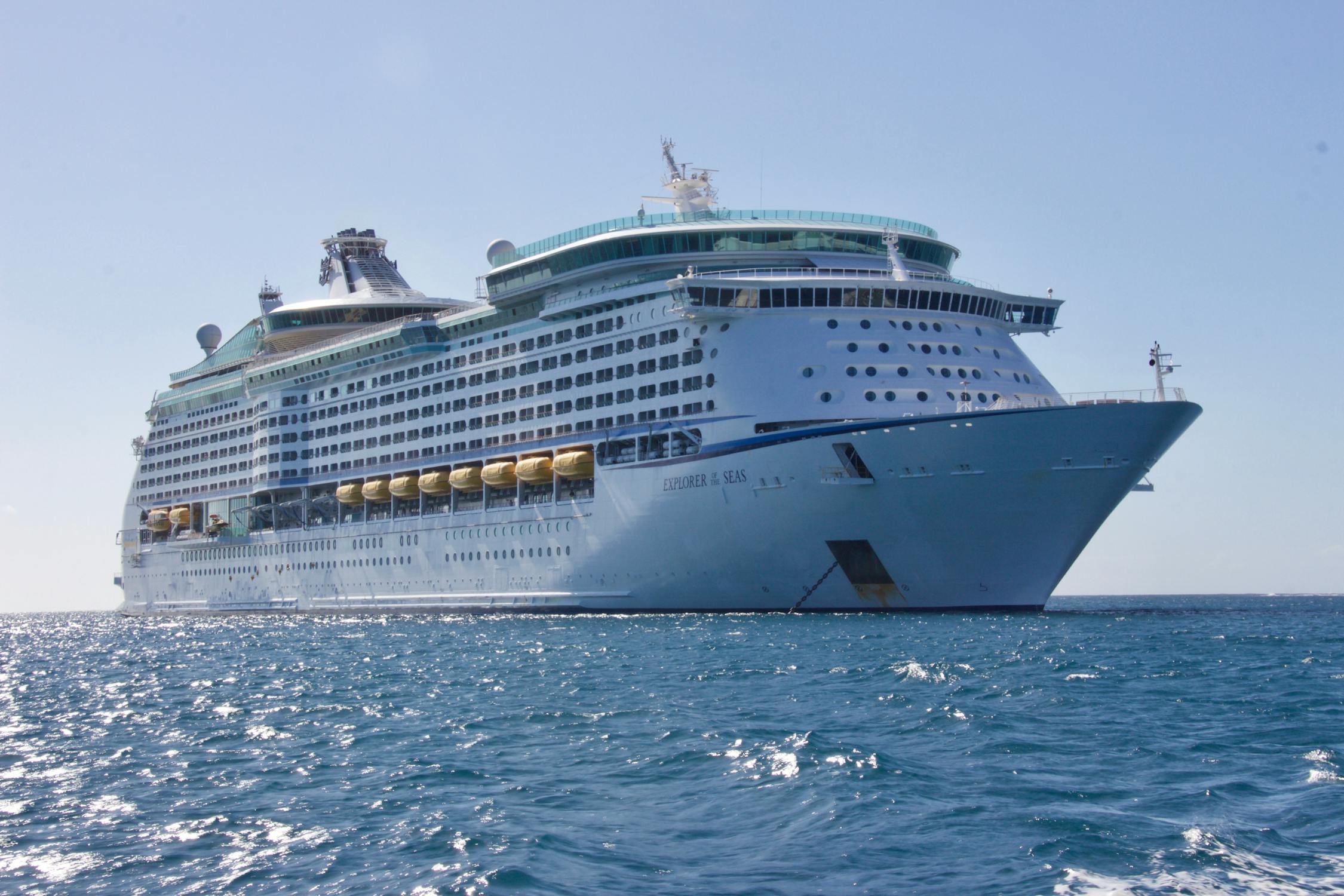
Cunard’s Queen Mary 2 (QM2) has been the standard-bearer for pet-friendly cruising for over two decades. This iconic ocean liner offers dedicated onboard kennels for dogs and cats on its transatlantic crossings between New York City, Southampton (England), and Hamburg (Germany).
What to Expect
The QM2’s pet program is nothing short of first class:
The Kennels: Located on Deck 12, the ship features 24 kennels in various sizes. Each kennel is individually climate-controlled and equipped with bedding. Kennels are cleaned daily by dedicated staff.
The Outdoor Area: A large outdoor deck area exclusively for pets, complete with a genuine Liverpool lamp post and fire hydrant (for familiar territory-marking opportunities). The deck is surfaced with bark and has a grassy area. Staff exercise dogs here multiple times daily.
Daily Care: Kennel staff feed your pet on your schedule using your food, provide fresh water continuously, and offer daily exercise sessions. You can visit your pet at designated times throughout the day.
The Catch: Pets are not allowed in your cabin. This is the main limitation. You and your dog sleep separately, with your pet in the kennel and you in your stateroom.
Costs
- Kennel fees: Approximately $500 to $1,200 per crossing, depending on kennel size and sailing date.
- Crossing duration: Typically 7 to 8 nights.
- Cabin cost: Standard QM2 fares start around $1,200 per person for an interior cabin, with balcony cabins from $2,500.
Booking
Cunard opens pet reservations approximately two years in advance, and spaces sell out extremely quickly. Some pet spots are sold out within hours of opening. The key is to contact Cunard well in advance and get on the notification list for your desired sailing date.
Photo credit on Pexels
Routes Available
The QM2 pet program is only available on transatlantic crossings:
- New York to Southampton (and reverse)
- New York to Hamburg (and reverse)
- Southampton to Hamburg (and reverse)
Pets are NOT accommodated on QM2 world cruises, Mediterranean itineraries, or other non-transatlantic voyages.
Requirements
- Dogs and cats only (no other animals)
- Current vaccination records
- Health certificate issued within 10 days of sailing
- Pet passport or USDA-endorsed health certificate for international arrivals
- Proof of microchip
- Dogs must be at least 6 months old
Cruise Tails and Margaritaville at Sea
Overview
Launched in late 2025, Cruise Tails is a specialty cruise experience operating in partnership with Margaritaville at Sea. This is the first cruise program that allows dogs to stay in your cabin, a dramatic departure from the kennel model.
What Makes It Different
Dogs in Cabins: Designated pet-friendly balcony cabins are equipped with “balcony relief stations,” essentially an artificial turf area on your private balcony where your dog can relieve themselves. This eliminates the separation anxiety (for both you and your dog) that comes with kennel arrangements.
Dog-Focused Programming: The ship offers an array of dog-centered activities:
- Dog shows and costume contests
- Dog parades on the pool deck
- Yappy hour events with dog-friendly treats
- Dog training workshops
- Pet photography sessions
- A dedicated dog play area
Dog Services: Onboard amenities include a pet spa, grooming services, and a dog menu at the ship’s restaurant.
Routes and Schedule
Cruise Tails operates short cruises departing from Tampa, Florida, to Caribbean destinations. Typical itineraries are 3 to 5 nights, making them much shorter (and more affordable) than a transatlantic crossing.
Costs
- Cabin rates: Starting around $300 per person for a 3-night cruise, with pet-friendly balcony cabins starting around $600 per person.
- Pet fee: Approximately $200 to $400 per dog per cruise.
- Dog limit: Typically two dogs per cabin.
Requirements
- Dogs only (cats and other pets not currently accepted)
- Current vaccination records including rabies and bordetella
- Health certificate from a veterinarian
- Dogs must be well-socialized and non-aggressive
- Weight and breed restrictions may apply (check current policy)
Preparing Your Dog for a Cruise
Assess Your Dog’s Suitability
Not every dog is a good cruise candidate. Consider:
- Seasickness: Dogs can get seasick. If your dog gets carsick easily, a cruise may not be ideal.
- Noise sensitivity: Ships are noisy environments with engine vibration, horn blasts, and crowd sounds.
- Stranger anxiety: Your dog will encounter many unfamiliar people and dogs.
- Separation tolerance: For QM2, your dog must be comfortable being away from you for extended periods.
- Housetraining: For Cruise Tails, your dog needs to reliably use the balcony relief station.
Pre-Cruise Checklist
3 Months Before:
- Book your cruise and pet space
- Schedule a vet visit for a pre-cruise health assessment
- Begin conditioning your dog to boat-like motions (if possible)
- Research destination port pet entry requirements
1 Month Before:
- Confirm all vaccination records are current
- Ensure microchip registration is up to date
- Order any needed medications (anti-nausea, anxiety)
- Purchase travel supplies
1 Week Before:
- Obtain health certificate from your veterinarian
- Pack your dog’s bag (see packing list below)
- Confirm cabin and pet reservations with the cruise line
Day Before:
- Light meals only to reduce seasickness risk
- Exercise your dog thoroughly
- Do a final check of all documents
Packing List for Cruise Dogs
Essentials:
- Health certificate and vaccination records
- Microchip documentation
- Leash and harness with ID tags
- Food for the entire cruise plus two extra days
- Collapsible food and water bowls
- Medications (including anti-nausea if prescribed)
- Favorite blanket or bed
- Poop bags
Comfort Items:
- Familiar toys
- Calming aids (Thundershirt, pheromone spray)
- Chew items for quiet cabin time
Cleanup Supplies:
- Enzyme cleaner
- Lint roller
- Extra towels
- Pet-safe wet wipes
 Photo credit on Pexels
Life Onboard with Your Dog
Daily Routine (Cruise Tails Model)
A typical day cruising with your dog might look like this:
7:00 AM: Morning walk to the dog relief area or use of balcony station. 7:30 AM: Breakfast in your cabin (both of you). 8:30 AM: Morning stroll on the designated pet deck area. 10:00 AM: Dog-friendly activity (costume contest, training workshop). 12:00 PM: Lunch. Your dog relaxes in the cabin while you dine. 2:00 PM: Yappy hour by the pool. 4:00 PM: Afternoon rest in the cabin. 6:00 PM: Evening walk and relief. 7:00 PM: Dinner. Consider ordering from the dog menu for your pup. 9:00 PM: Evening wind-down on the balcony. 10:00 PM: Settle in for the night.
Managing Seasickness in Dogs
Dogs can experience motion sickness, especially on rough seas. Watch for:
- Excessive drooling
- Whining or restlessness
- Vomiting
- Lethargy
- Loss of appetite
Prevention and treatment:
- Ask your vet about anti-nausea medication (Cerenia/maropitant is commonly prescribed for dogs)
- Keep your dog in the center of the ship where motion is minimal
- Ensure fresh air access (balcony cabins help enormously)
- Avoid feeding large meals during rough weather
- Ginger treats may provide mild natural relief
Port Days: What Happens When the Ship Docks
Port days present unique challenges for cruising pet owners:
QM2
Your dog stays in the kennel during port calls. Kennel staff maintain their normal care routine. You are free to explore the port city.
Cruise Tails
Options vary by port. Some ports may allow you to take your dog ashore (check entry requirements), while at others, you and your dog will need to stay aboard or use onboard pet-sitting services.
General Port Considerations
- Research pet entry rules for every port of call before booking.
- Some Caribbean islands require specific vaccinations or quarantine periods.
- European ports generally require an EU Pet Passport or equivalent documentation.
- Bring a portable water bowl and poop bags for any shore excursions with your dog.
Alternatives to Pet-Friendly Cruises
If the limited cruise options do not work for you, consider these alternatives:
Private Yacht or Boat Charters
For a premium price, you can charter a private yacht where your pet is absolutely welcome. Companies like CharterWorld and YACHTICO list pet-friendly charter options in destinations worldwide. Costs range from $2,000 to $20,000+ per week depending on the vessel.
Houseboat Rentals
Houseboat vacations on lakes and rivers offer a boat-like experience with maximum pet freedom. Lake Powell, the Kentucky Lake system, and California’s Sacramento Delta all have pet-friendly houseboat rental companies. Rates start around $1,500 per week.
River Cruises
While most river cruise lines also prohibit pets, the smaller scale and frequent port stops of river cruises make it easier to arrange pet-sitting at ports. Some European river operators are testing pet-friendly cabins on a trial basis.
Sailing Lessons
If you are drawn to the water, many sailing schools welcome well-behaved dogs. Learn to sail with your dog and eventually charter your own sailboat for pet-friendly adventures.
The Future of Pet-Friendly Cruising
The pet-friendly cruise market is growing, driven by the same “pawprint economy” trend reshaping the broader travel industry. Industry analysts expect several developments in the coming years:
- More specialty pet cruise operators will enter the market, especially for short Caribbean and coastal itineraries.
- Existing cruise lines may pilot pet-friendly cabins on select sailings, similar to how some hotels have converted floors to pet-friendly zones.
- Pet services onboard will become more sophisticated, potentially including veterinary clinics and pet spas.
- International routes beyond the transatlantic will begin accommodating pets as port regulations standardize.
For now, pet-friendly cruising remains a niche within a niche. But for dog owners willing to plan ahead (including pet travel insurance) and embrace the current options, sailing with your four-legged first mate is an unforgettable experience. The open ocean, the rhythm of the waves, the salt air, and your best friend by your side. If cruising is not your style, explore train travel with pets for another scenic option. That is a voyage worth taking.
Related Reading
Get the best Pawventures tips in your inbox
Weekly guides, deals, and insider tips. No spam, unsubscribe anytime.