Van Life With Your Dog: The Complete Guide
Everything you need to know about van life with a dog. Van builds, temperature management, exercise routines, gear essentials, and daily life on the road.
This post may contain affiliate links. Disclosure
Updated for 2026 with current van build recommendations, gear reviews, and practical tips from full-time van lifers with dogs.
Van Life With Your Dog: The Complete Guide
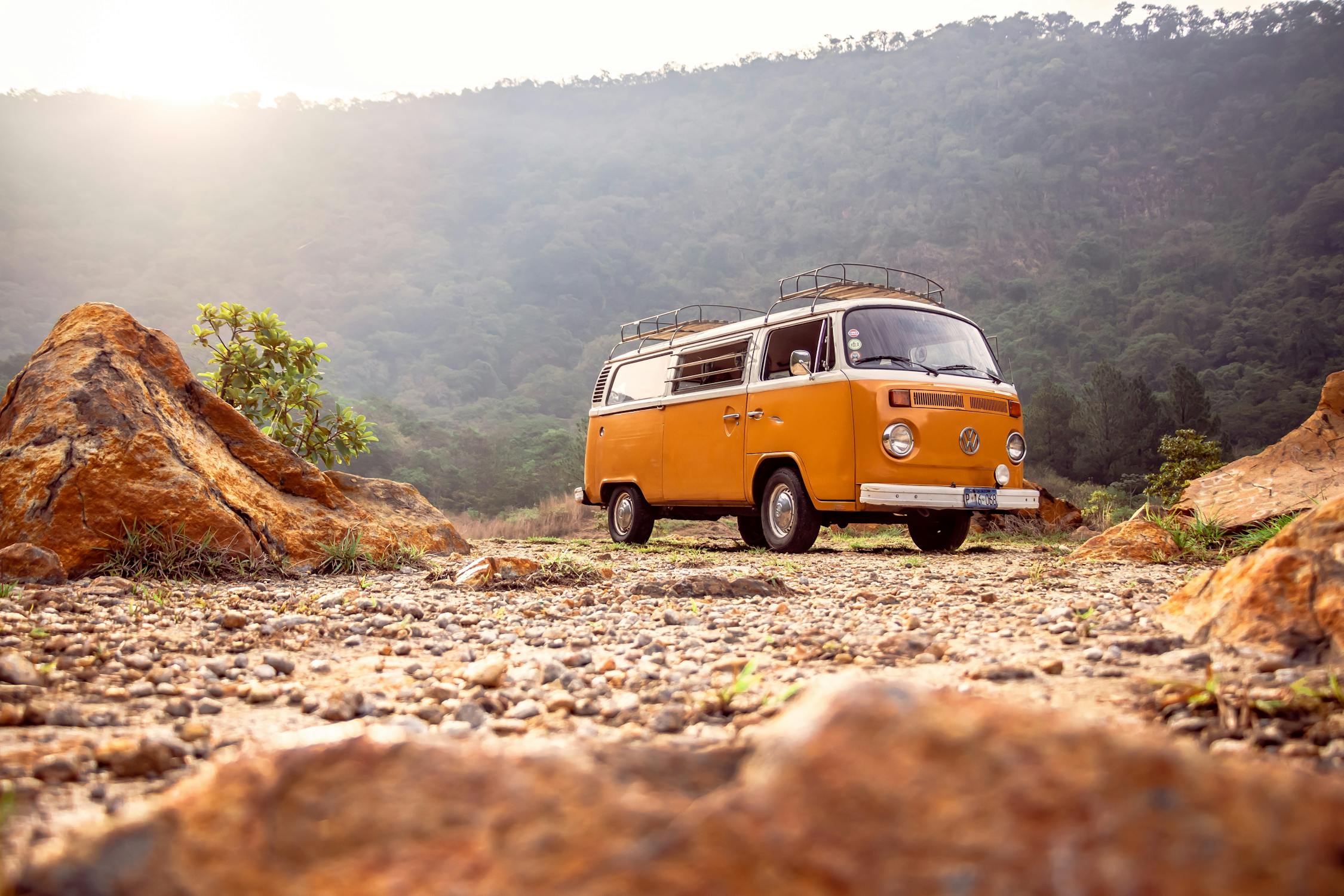
Van life and dogs are a natural combination. The freedom to wake up in a new location every morning, the constant access to outdoor spaces, the simplified lifestyle that prioritizes experiences over possessions. Dogs thrive in this life. And after 14 months of full-time van life with my Black Lab, Diesel, I can say that he is the happiest he has ever been.
But van life with a dog also presents unique challenges. Temperature management, exercise in varied environments, veterinary care on the road, and the daily logistics of sharing a 60-square-foot home with a 75-pound dog all require planning and adaptation. This guide covers every aspect of making van life work beautifully for both you and your dog.
Choosing the Right Van
The van you choose has a direct impact on how comfortable van life will be for your dog.
Van Options by Dog Size
| Van Type | Best For | Dog Space | Headroom | Price Range |
|---|---|---|---|---|
| Sprinter/Transit/ProMaster (high roof) | Medium to large dogs | Excellent | 6’3”+ interior | $30,000-60,000 (used) |
| Sprinter/Transit (standard roof) | Small to medium dogs | Good | 5’8” interior | $20,000-40,000 (used) |
| Ford Econoline/Chevy Express | Medium dogs | Moderate | 5’6” interior | $10,000-25,000 (used) |
| VW Transporter/Vanagon | Small dogs | Limited | 5’2” interior | $15,000-50,000+ (used) |
| Minivan (Sienna, Odyssey) | Small dogs only | Minimal | Limited | $8,000-20,000 (used) |
For most dog owners, the 144” wheelbase, high-roof Sprinter or Transit is the sweet spot. It provides enough interior space for a comfortable build with designated dog space, while remaining maneuverable enough to navigate most roads and parking situations.
Build Considerations for Dogs
Flooring: Use vinyl plank or rubber flooring, not carpet. Dogs track in dirt, mud, sand, and water. You need a floor that can be swept and mopped easily. Marine-grade vinyl planking is durable, waterproof, and easy to clean.
Dog bed/sleeping area: Build a dedicated sleeping spot for your dog. Options include:
- A platform bed with space underneath for the dog
- A pull-out drawer under the bed that serves as a dog bed
- A dedicated floor area with a removable, washable bed
- A garage area (rear of the van below the bed platform) that doubles as the dog zone
Ventilation: Critical. Your van needs airflow for temperature management. Consider:
- A MaxxAir fan (roof-mounted, thermostat-controlled) is essential. Install at minimum one; two is better.
- Windows that open on both sides for cross-ventilation
- Window screens/bug nets for sleeping with windows open
Water access: Install a pressurized water system with an exterior shower head. This allows you to rinse muddy paws and dirty dogs outside the van.
Storage: Dedicate specific storage for dog supplies: food, bowls, leashes, harness, waste bags, medications, first aid supplies, and towels.
Temperature Management
This is the single most important aspect of van life with a dog, and the one that can be genuinely dangerous if not managed properly.
Heat
A van parked in the sun can reach 120-140F interior temperature within 30 minutes. Dogs die from heat exposure in vehicles every year. This is not a hypothetical concern; it is the biggest risk of van life with a dog.
Solutions:
Roof-mounted fan (MaxxAir 7500K or equivalent): The single most important piece of dog safety equipment in a van. Set it to thermostat mode and it will automatically run when interior temperatures rise. Running a fan can reduce interior temperature by 10-15F compared to outside ambient temperature. Not enough for hot summer days, but critical for moderate weather.
Insulation: Proper van insulation (spray foam, wool, or Thinsulate) helps moderate interior temperatures. It keeps the van cooler in summer and warmer in winter.
Window covers/reflective shades: Reflective window covers (Insulated Window Covers by VanMade Gear or DIY Reflectix) significantly reduce solar heating.
Parking strategy: Park in shade whenever possible. Orient the van so the large windshield faces away from direct sun. Consider altitude: higher elevations are cooler.
AC unit: For serious hot-weather van life, a rooftop AC unit (Zero Breeze, EcoFlow Wave, or a mini-split system) powered by lithium batteries and/or solar panels is the most reliable solution. This is a significant investment ($500-2,000 for the unit, plus battery and solar capacity), but it provides genuine climate control.
Monitoring: Install a remote temperature monitor (Waggle, MarCELL, or a WiFi-enabled thermometer) that sends alerts to your phone if interior temperature exceeds a set threshold. This is critical for any time you leave your dog in the van.
The hard truth: If you are traveling in areas where ambient temperatures regularly exceed 85F, you either need an AC unit or you cannot safely leave your dog in the van, period. No amount of fans and ventilation is sufficient in genuine heat.
Cold
Cold weather is more manageable for most dogs than heat, but still requires planning.
Solutions:
- Diesel heater (Webasto or Espar): The gold standard for van heating. Burns diesel from the vehicle’s fuel tank, provides consistent dry heat, and is safe to run while sleeping. Costs $800-1,500 installed.
- Propane heater: Options like the Propex HS2000 provide effective heating. Require adequate ventilation.
- Insulation: A well-insulated van retains heat dramatically better than an uninsulated one.
- Dog coat/blanket: For the dog’s sleeping area, provide warm bedding and consider a coat for short-haired breeds.
Daily Routine
Van life with a dog works best with a consistent daily routine that prioritizes exercise and mental stimulation.
A Typical Day
6:00 AM: Wake up. Morning walk (30-60 minutes) near the overnight spot. This is usually the longest walk of the day.
7:30 AM: Breakfast for both of you. Feed the dog in the van or outside (using a collapsible bowl on level ground).
8:00-12:00: Drive, explore, work (if you work remotely). Dog rides in the van with water available.
12:00 PM: Stop for lunch. Midday walk or play session (20-30 minutes). Water and bathroom break for the dog.
1:00-5:00 PM: Continue traveling, hiking, or activities.
5:00 PM: Find camp for the night. Evening walk (30-60 minutes). This is a good time for off-leash play if in an appropriate area.
6:00 PM: Dinner. Dog gets dinner in the van.
7:00-9:00 PM: Relaxation. Campfire, reading, socializing with other campers.
9:00 PM: Bedtime. Dog settles into their sleeping area.
Exercise Requirements
Most active dog breeds need 1-2 hours of exercise per day. Van life makes this relatively easy, as you are often parked near trails, beaches, or open spaces. But it is your responsibility to ensure your dog gets adequate exercise, even on driving days.
Exercise options by location:
- Trails: The most common and best option. National forests, state parks, and BLM land provide access.
- Beaches: Excellent exercise, especially for water-loving dogs.
- Dog parks: When passing through cities, off-leash dog parks provide socialization and play.
- Fetch: A ball launcher (ChuckIt) in any open area provides intense exercise in a short time.
- Swimming: Lakes, rivers, and ocean access for water-loving breeds.
Gear Essentials
Must-Have Dog Gear for Van Life
Sleeping:
- Durable, washable dog bed (Ruffwear, Big Barker, or K9 Ballistics)
- Extra blanket for cold nights
Feeding:
- Collapsible silicone bowls (2 for water, 1 for food)
- Airtight food storage container
- Water bottle with bowl attachment for hikes
Safety:
- Crash-tested harness or secured crate for driving
- Remote temperature monitor
- LED collar light for nighttime visibility
- GPS tracker (Fi or Whistle) for peace of mind
Outdoor:
- Long line (20-30 foot leash) for campsite freedom
- Stake-in-ground tether for campsite
- Portable shade canopy (for hot-weather camping)
- Towels (microfiber for quick drying)
- Paw wax (Musher’s Secret) for hot pavement and rough terrain
Health:
- First aid kit (bandages, antiseptic, tick removal tool, diphenhydramine)
- Current medications and preventatives (heartworm, flea/tick)
- Copies of vaccination records and health certificates
- Pet insurance documentation
Recommended Brands
- Ruffwear: The gold standard for active dog gear. Their harnesses, jackets, boots, and packs are designed for adventure.
- Kurgo: Good value for car safety equipment and travel gear.
- ChuckIt: Ball launchers for quick, intense exercise sessions.
- Musher’s Secret: Paw wax that protects against hot, cold, and rough surfaces.
Finding Overnight Spots
Where to Park
BLM (Bureau of Land Management) land: Free dispersed camping on public land, primarily in the western US. The iOverlander app and FreeRoam app list specific spots. Dogs generally have maximum freedom on BLM land.
National Forest dispersed camping: Free camping in most national forests outside of designated campgrounds. Follow Leave No Trace principles. Dogs on leash or under voice control depending on the forest.
Campgrounds: Both public (national forest, state park, county) and private (KOA, Harvest Hosts). Reserve ahead in popular areas.
Walmart and Cracker Barrel: Many locations allow overnight parking. Dogs in the van only, no setting up camp. Check individual store policies.
Harvest Hosts: A membership program ($99/year) that provides overnight parking at farms, wineries, breweries, and other unique locations. Many are dog-friendly.
Apps for Van Life With Dogs
- iOverlander: The best app for finding free camping spots. User-contributed with reviews.
- FreeRoam: Another excellent app for dispersed camping.
- Campendium: Campground reviews and information.
- AllTrails: Trail maps and reviews. Filter for dog-friendly trails.
- BringFido: Dog-friendly businesses, parks, and activities.
- Vet locator apps: Yelp or Google Maps for finding veterinary care on the road.
Veterinary Care on the Road
Maintaining Healthcare
- Keep a physical copy of your dog’s vaccination records and any health certificates in the van
- Maintain all preventative medications (heartworm, flea/tick) on a consistent schedule
- Consider pet insurance (Trupanion, Healthy Paws, Embrace) for unexpected medical costs
- Identify emergency vet clinics along your planned route before you need them
Common Van Life Dog Health Issues
Paw injuries: From rough terrain, hot pavement, or cactus. Carry paw wax (Musher’s Secret), dog boots, and basic wound care supplies.
Tick-borne diseases: Van life often involves time in tick-heavy areas. Use a strong preventative and check your dog daily.
Gastrointestinal issues: Dogs may eat things they should not at campsites or on trails. Carry anti-diarrheal medication (ask your vet for recommendations) and know the signs of intestinal blockage.
Allergies: Different environments mean different allergens. Watch for excessive scratching, ear infections, or paw licking.
Heat-related illness: See the temperature management section. This is the most preventable and most dangerous health risk.
Social Considerations
Campsite Etiquette
- Keep your dog on leash or tethered at campgrounds
- Do not allow your dog to bark excessively (this is the number one complaint about dogs at campgrounds)
- Clean up waste immediately
- Respect other campers’ space
- Ask before allowing your dog to approach other dogs or people
Stealth Camping (Urban Overnight Parking)
If you are parking overnight in urban areas:
- Keep your dog quiet (barking draws attention)
- Do not set up gear outside the van
- Walk your dog away from the parking spot
- Have a plan for early morning (dogs often need to go out at first light)
Budget
Monthly Van Life Dog Costs
| Item | Monthly Cost |
|---|---|
| Dog food (premium brand) | $50-100 |
| Treats | $15-30 |
| Preventative medications | $30-60 |
| Pet insurance | $30-70 |
| Replacement gear (beds, toys, etc.) | $20-40 |
| Vet visits (averaged) | $20-50 |
| Dog-related camping/entry fees | $0-30 |
| Total | $165-380 |
Is Van Life Right for Your Dog?
Dogs That Thrive in Van Life
- Active breeds that need regular exercise (Labs, Shepherds, Cattle Dogs, Retrievers)
- Confident, adaptable dogs who handle new environments well
- Dogs who are bonded to their owner and happy being close
- Dogs who enjoy riding in vehicles
Dogs That May Struggle
- Dogs with severe separation anxiety (van living means your dog is alone when you enter businesses)
- Dogs that bark excessively at noises or passing people
- Dogs that overheat easily (brachycephalic breeds in warm climates)
- Elderly dogs with mobility issues (van entry/exit can be challenging)
- Dogs with ongoing medical conditions requiring regular specialist care
Final Thoughts
Van life with a dog is one of the most rewarding lifestyles I have experienced. Diesel and I wake up in national forests, on ocean bluffs, beside alpine lakes, and in charming small towns. He hikes more, swims more, and socializes more than he ever did in a house. The van is small, but the world outside it is enormous, and we explore it together every single day.
The key to making it work is preparation, temperature management, and a commitment to your dog’s exercise and wellbeing. Get those right, and van life with a dog is not just possible. It is extraordinary.
You Might Also Like
Get the best Pawventures tips in your inbox
Weekly guides, deals, and insider tips. No spam, unsubscribe anytime.